
Before You Commit: Why Moodboards Matter in Interior Decorating
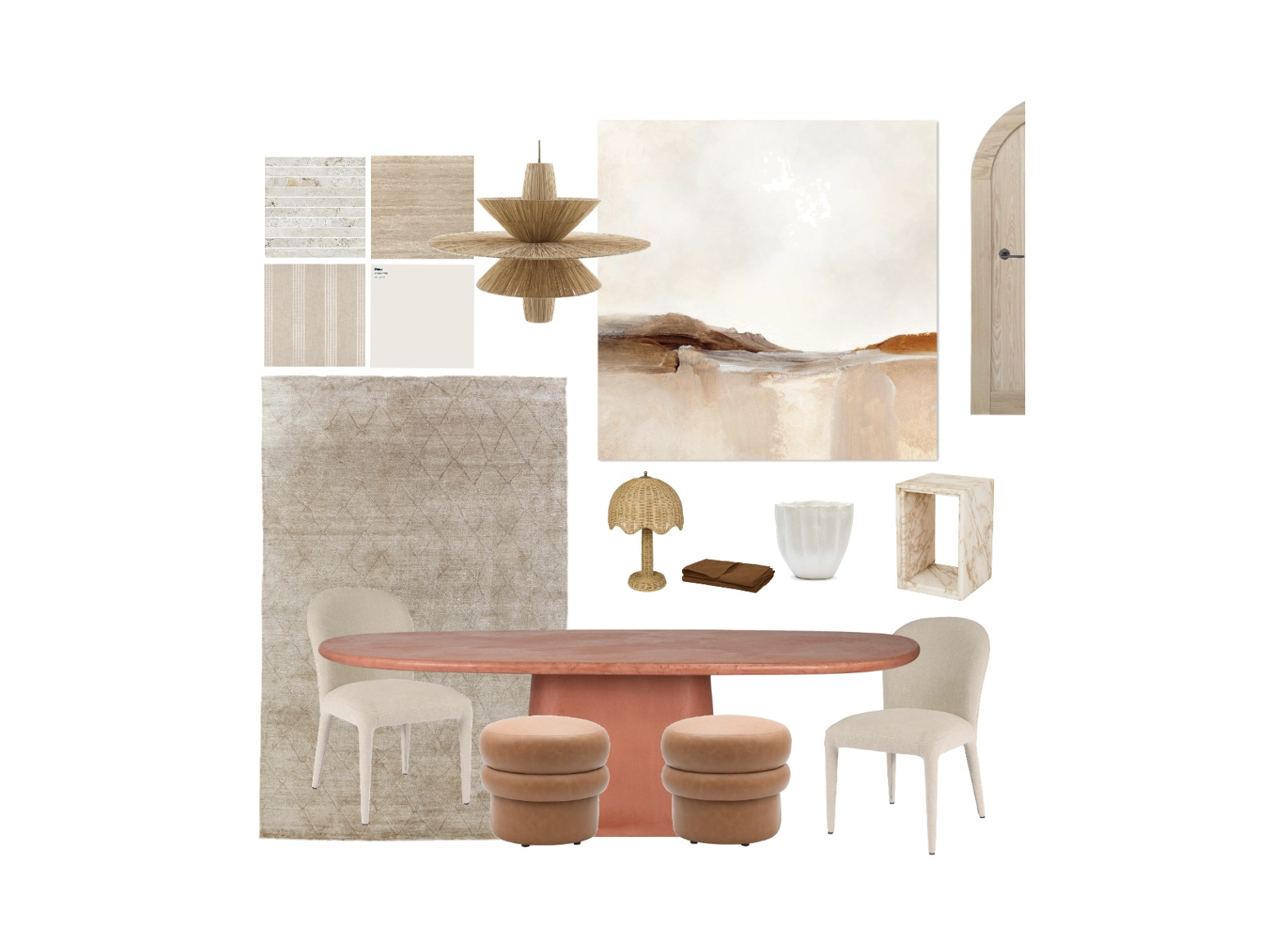
A moodboard is essential to establish the proposed look of an interior decorating project. As a client, seeing this before you commit is an important part of the styling process. It allows ideas to be tested before expensive decisions are made. It brings furniture, colour, materials and styling together so you can see how the different selections work as a whole. It also helps you appreciate your interior decorator’s vision, as verbal descriptions can be interpreted differently. It gives both the client and decorator something to refer to throughout the process (without an array of sticky notes everywhere). It is the best time to raise questions and explore ideas when it is presented. More importantly, it gives the client greater confidence in their decision.
An interior decorator may present a client with a digital or physical moodboard, each offer a different way to review a scheme. A digital moodboard is easy to share, revisit and update as selections change, making it practical when working online. A physical materials board provides a more tactile experience, allowing texture, finish and colour to be assessed more closely. The most suitable approach depends on the stage of the project and how the client and interior decorator are working together. It is usually packed with all the elements needed to inspire. That said, it does not replace a scaled floor plan or preview of the finished room. Measurements still need to be checked, and physical samples should be viewed before committing where colour, fabric or finish is important.

What If Your Interior Decorator Does Not Offer Moodboards?
If your interior decorator does not provide moodboards, ask how they intend to present the direction for your room. And if no visual process is offered before furniture, colours and finishes are approved, it may be worth considering another decorator or option. A client should not be expected to rely only on words alone.
How Moodboards Can Help Interior Businesses
Moodboards are not only useful when working directly with an in-home client. They can also help interior businesses present their collections in a way that is more engaging and easier for customers to visualise on their website.
A product may look appealing on its own, but customers can still hesitate before they outlay money on a piece of art, a rug or sofa, especially if they are unsure how it will work with the rest of their home.
When used within interior-led articles or blogs, boards can offer practical guidance while also presenting a supplier's products in context. They can help customers move from simply liking an item to knowing the decision feels right and how it could work in their own home.
In my own work, moodboards typically feature a clean white background, without competing colours. Against this simple white palette, furniture, patterned rugs, and artwork are allowed to stand out, making it easier to see how the individual selections work together.
Ultimately, moodboards help a client focus on what is realistic and relevant to their own home. A sofa or piece of artwork may look impressive in a highly styled setting on a website or in a magazine, but the room itself may have little connection to theirs and budget. By removing that unrelated setting, a moodboard allows clients to concentrate on what they want within their own home.
Article written by Marina Mura
Find your ideal style | E: marinamura@moodblogs.com or visit my inspiration page in the menu bar.
Moodboard image credit: First moodboard; Antoinette Ferwerda, Lighting Illusions, Weave Home, Walter G, Trit House. Second Moodboard; CDK Stone, Gioia Wall Art, James Lane, Tallira Furniture, Globewest, Florabelle Living.
I provide in-home interior decorating consultations and write original interior-led articles for businesses. Curated moodboards support both areas of my work, while each article is developed to suit the business, its audience and the products or services being featured.
Enquiries for either service are welcome.
READ MORE
How to Create a Shared Home Without Losing the Feminine Style You Love
How to Create a Shared Home Without Losing the Feminine Style You Love

How to Add Warmth and Depth to a Winter Interior
How to Add Warmth and Depth to a Winter Interior

MoodBlogs | More Than the Name Suggests
MoodBlogs | More Than the Name Suggests

Modular Sofas in 2026: Comfort, Layout and Fabric That Actually Work
Modular Sofas in 2026: Comfort, Layout and Fabric That Actually Work

How to Master High-Low Interior Decorating Without Sacrificing Style
How to Master High-Low Interior Decorating Without Sacrificing Style
How To Create A Cohesive Interior Style Across Your Whole Home
How To Create A Cohesive Interior Style Across Your Whole Home

Why the 60-30-10 Rule Is Key to My Interior Decorating Philosophy
Why the 60-30-10 Rule Is Key to My Interior Decorating Philosophy

In Conversation With Shelley Boyd, the Founder of Boyd Blue
In Conversation With Shelley Boyd, the Founder of Boyd Blue

Should You Hire a Colour Consultant Alongside an Interior Decorator?
Should You Hire a Colour Consultant Alongside an Interior Decorator?

Design Spotlight: The Unforgettable Hotel Interiors of The White Lotus
Design Spotlight: The Unforgettable Hotel Interiors of The White Lotus

What Urban Styling Offers Men
What Urban Styling Offers Men

Small Apartment Interior Tips for Men: Smart Styling for a Better Space
Small Apartment Interior Tips for Men: Smart Styling for a Better Space

How to Create a Masculine, Stylish Apartment With Ease
How to Create a Masculine, Stylish Apartment With Ease

Masculine Christmas Table Inspiration - Ultimate Shopping List
Masculine Christmas Table Inspiration - Ultimate Shopping List

Styling Your Home for Christmas
Styling Your Home for Christmas

Men’s Interior Styling - Transform Your Bedroom Space
Men’s Interior Styling - Transform Your Bedroom Space

How to Create an Imposing Art Wall
How to Create an Imposing Art Wall

How To Select Light Fixtures for Your Interior Design
How To Select Light Fixtures for Your Interior Design

Styling Modern Victorian
Styling Modern Victorian

How to Style an Australian Bush Home Inside and Out
How to Style an Australian Bush Home Inside and Out

Japandi - A Life Time of Style
Japandi - A Life Time of Style

How To Style A Young Girls Bedroom
How To Style A Young Girls Bedroom

Pantone Colour Of The Year 2024 - Peach Fuzz
Pantone Colour Of The Year 2024 - Peach Fuzz

How To Elevate a New Bathroom Using Marble
How To Elevate a New Bathroom Using Marble

Christmas Table Styling
Christmas Table Styling

Using Colour And Natural Light To Make Your Space Pop
Using Colour And Natural Light To Make Your Space Pop

Art For A Spring Inspired Living Room
Art For A Spring Inspired Living Room

5 Ways To Bring Luxury Milanese Styling To Your Hospitality Space
5 Ways To Bring Luxury Milanese Styling To Your Hospitality Space

How To Decorate a Hamptons-Style Bedroom With a Difference
How To Decorate a Hamptons-Style Bedroom With a Difference

How to Select A Customisable Sofa
How to Select A Customisable Sofa

In Conversation With Tashi Tsering, Creative Head And Founder Of Tashi Design Studio
In Conversation With Tashi Tsering, Creative Head And Founder Of Tashi Design Studio

What is Chintz – The Resurgence Of A Historic Textile With a Modernistic Twist
What is Chintz – The Resurgence Of A Historic Textile With a Modernistic Twist

How To Create an Easter Table Scape
How To Create an Easter Table Scape

Bathroom Renovation Planning: Layout, Storage, Ventilation and Lighting
Bathroom Renovation Planning: Layout, Storage, Ventilation and Lighting

My Holistic View on ChatGPT
My Holistic View on ChatGPT

Easy Table Setting Styling
Easy Table Setting Styling

How To Style A Summer Outdoor Setting
How To Style A Summer Outdoor Setting

Staying Home In January
Staying Home In January
Styling Your Home for Christmas
Styling Your Home for Christmas

In Conversation With Jacinta Bishop, Founder And Designer Of Salt Living
In Conversation With Jacinta Bishop, Founder And Designer Of Salt Living

Paying Homage To Sardinian Textiles
Paying Homage To Sardinian Textiles

What Is The Difference Between A Duvet, Doona & Quilt?
What Is The Difference Between A Duvet, Doona & Quilt?

How to Style A White on White Interior
How to Style A White on White Interior

How to Style Art Deco With A Modern Vibe
How to Style Art Deco With A Modern Vibe
.jpeg)
How to Create A Modern Farmhouse Style
How to Create A Modern Farmhouse Style

Selecting Art For Your Interior Space
Selecting Art For Your Interior Space

Creating the Perfect Hamptons Coastal Bedroom
Creating the Perfect Hamptons Coastal Bedroom

Outdoor Alfresco Styling - How To Create The Perfect Outdoor Space You Will Love