
How to Create a Shared Home Without Losing the Feminine Style You Love
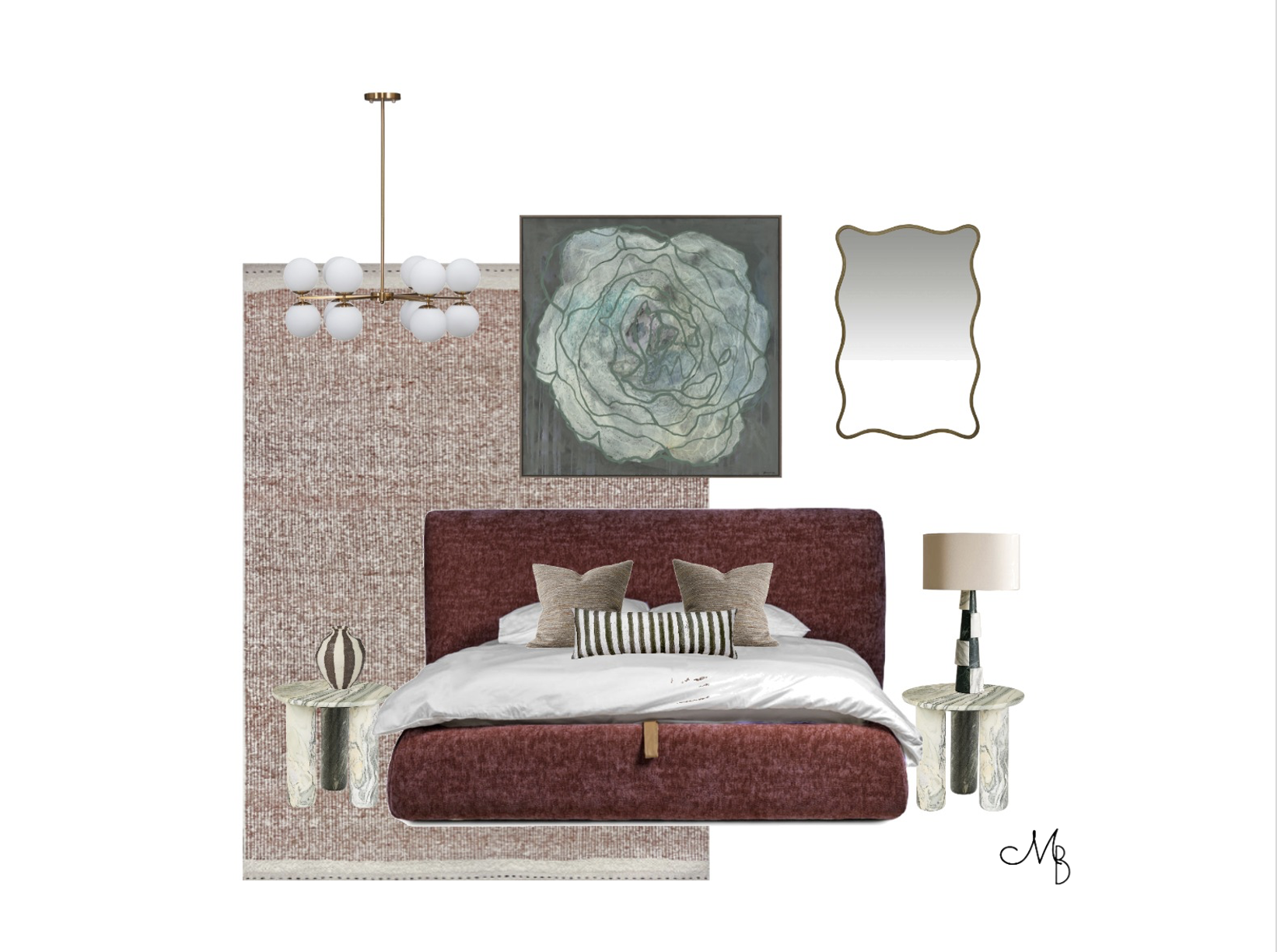
You may have been given free rein to decorate your home in true feminine style, only to discover that your partner still has preferences of their own. They may happily leave most decisions to you yet speak up when the feminine style you love begins to feel too much for them.
This is where balancing feminine and masculine elements becomes important. Through my work, I have seen how contrasting tastes can surface during the decorating process, and fortunately there is a way to actually fall somewhere in between to make both partners happy.
A shared space does not require every decision to be made together but if you have control be nice and ask your partner to choose one or two pieces. This could look like expressing a preference for the sofa, introducing a deeper colour or selecting a particular side table.
These contributions bring some of your partner’s personality into the room while allowing you to maintain the intended look. Giving your partner a meaningful say can make the finished room feel shared rather than simply presented to them.

You may be one of the lucky ones whose partner gives you complete creative control and appreciates almost everything you choose. If so, this may not be your decorating dilemma, but keep reading anyway, as there may still be an idea or two worth borrowing. Even within an entirely feminine interior, touches of contrast, restraint and the occasional unexpected choice can make the space feel more distinctive and less typical.
Borrowing a few masculine elements can be a creative choice rather than a compromise. For everyone else, however, let us return to the art of balancing feminine and masculine energy, because you have to!
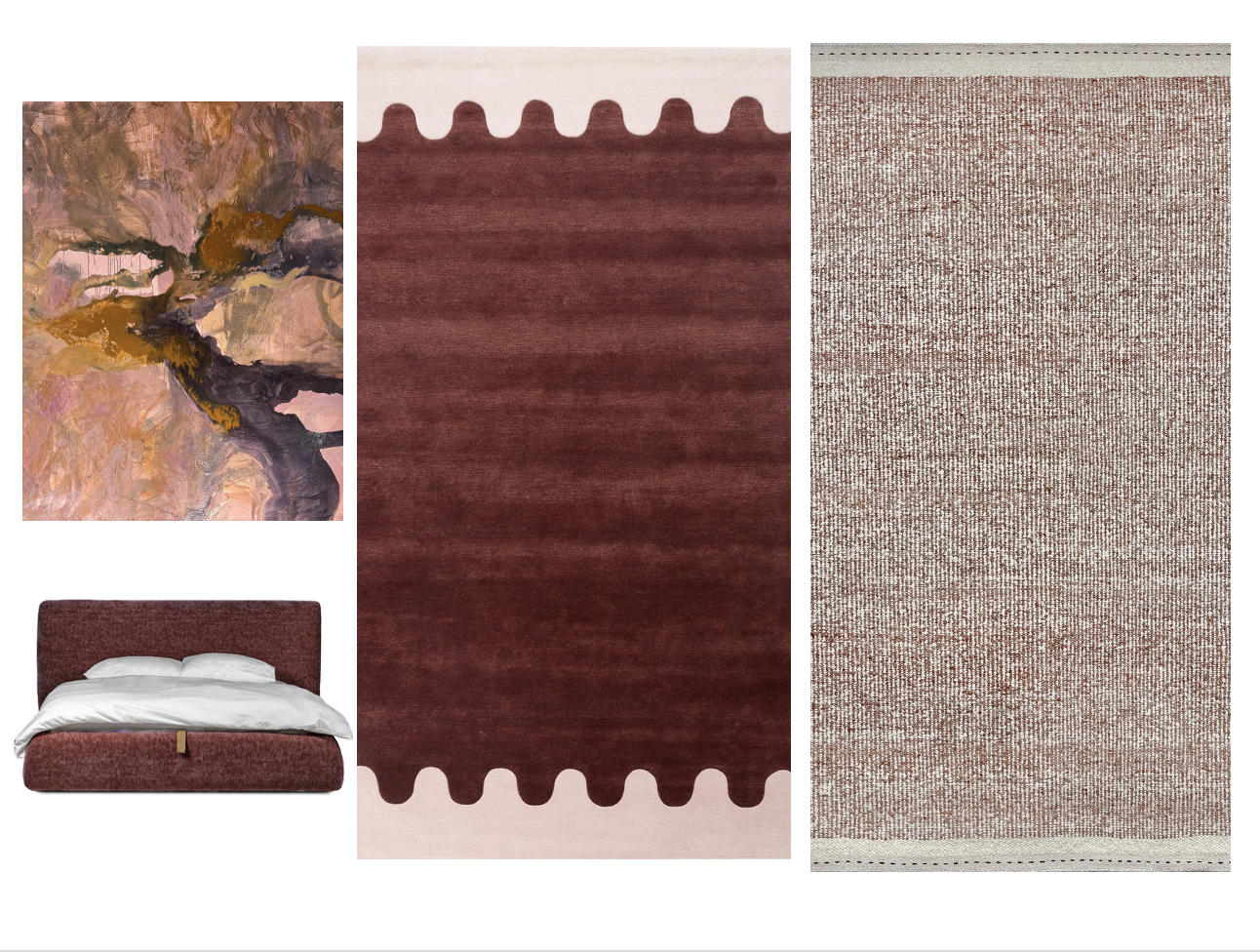
In this article, I explain how to decorate as a couple with different styles, retain the feminine elements you love and consider your partner’s preferences without turning every decision into a disagreement.
First Things First – How to Bring Together Fabric, Texture and Colour
A feminine interior can be created through a combination of pastel colour and delicate textures. Cushions in linen, velvet or sand washed silk are good choices that suit a relaxed, warm contemporary interior. For example, pairing a linen cushion with a sand washed silk lumbar cushion can introduce contrast and a little manliness while keeping the serenity. Matte silk offers the luxury of silk without excessive sheen.
For a fuller, professionally styled finish, use feather inserts, which allow cushions to be shaped more naturally and give them a less rigid appearance.
And when it comes to colour, it doesn’t have to include pink or lavender, although choosing either of those can be a helpful starting point. So, if your partner is not afraid of pink, then I recommend adding a smidge of blush here and there.
If pinks or purples are a hard no, think about combining creamy neutrals with moodier tones such as plum and deep green. A rich moss colour could work on a bedhead or an armchair. Alternate between lighter and darker shades, including pale and deep blues, charcoal and grey, with touches of black to make the room feel less ‘girly’.
A deeper colour palette forces you both to agree, rather than focusing on what either of you dislikes.

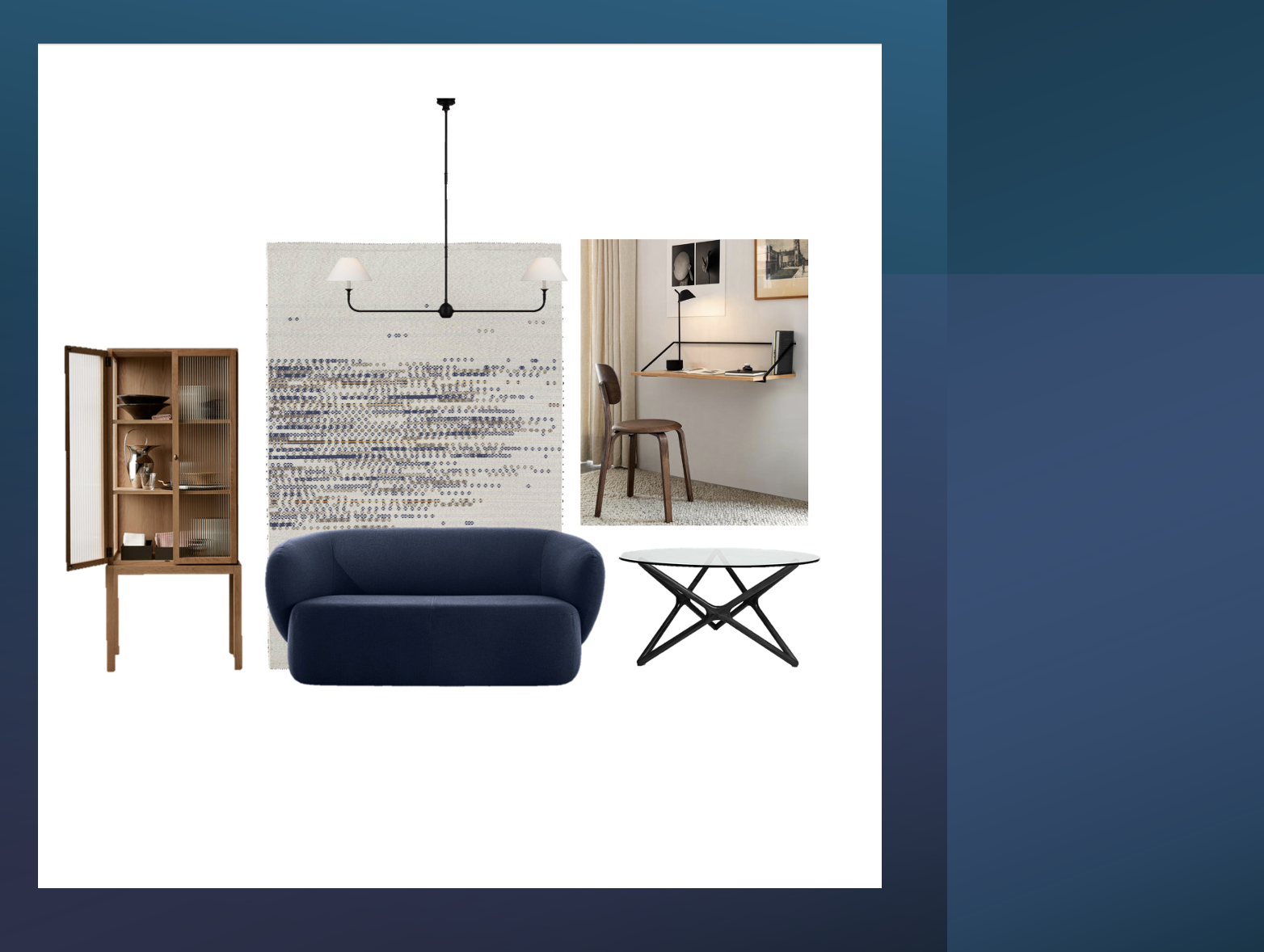
Remember those touches of black I mentioned earlier? There was a reason. A few carefully chosen black elements can bring quiet strength, or masculinity if you prefer, without making the room feel heavy. Think fine black metal frames, slim furniture legs, a sculptural glass pendant with black steel detailing, or artwork that carries small accents of black. Used sparingly, black lends a tailored and a very subtle industrial edge.
How to Soften a Room with Shape and Pattern
I admit, balancing a feminine and masculine interior is rarely straight forward but it is achievable. Pattern can play an important role in shaping the direction of a space.
If you both agree to avoid florals and botanicals in favour of something more contemporary, consider stripes, checks, houndstooth, or subtle geometric designs alongside contrasting fabrics. Houndstooth can feel both refined and masculine, depending on how it is used. Or pairing a striped cotton cushion cover with a vintage linen or velvet will create a small contrast in texture.
Vintage linen is great for a slightly more rugged worn in character, making the room feel less feminine overall. If you prefer to not eliminate florals all together, consider a ginkgo patterned cushion in a neutral colour. One of the most appealing things about ginkgo leaves is their versatility. They are neither distinctly masculine nor feminine, allowing them to sit comfortably within either style.

Now let's discuss shapes. Organic forms in furniture and rugs is another great way to mix up shape and pattern. Placing a wavy organic shaped mirror will not necessarily take centre stage, but it will soften lines, introduce visual movement and act as a subtle layer that enhances the room's overall texture and serenity.
For me the return of curves and organic forms is more than a passing design trend. While these shapes are often associated with a more feminine aesthetic and may not appeal to everyone, they can introduce movement and a connection to nature within the home.
The key is considering what appeals to each of you and where you are both prepared to compromise on shape and form.
Remember how I mentioned black earlier? There was a reason for that. A few carefully chosen black elements can add quiet strength to a feminine interior without making it feel heavy.
Consider artwork framed in fine black metal, slim furniture legs, a sculptural glass pendant with black steel detailing, or artwork featuring touches of black. Used sparingly, black gives softer colours and delicate furnishings a tailored yet elegant finish.
Start with What You Both Love
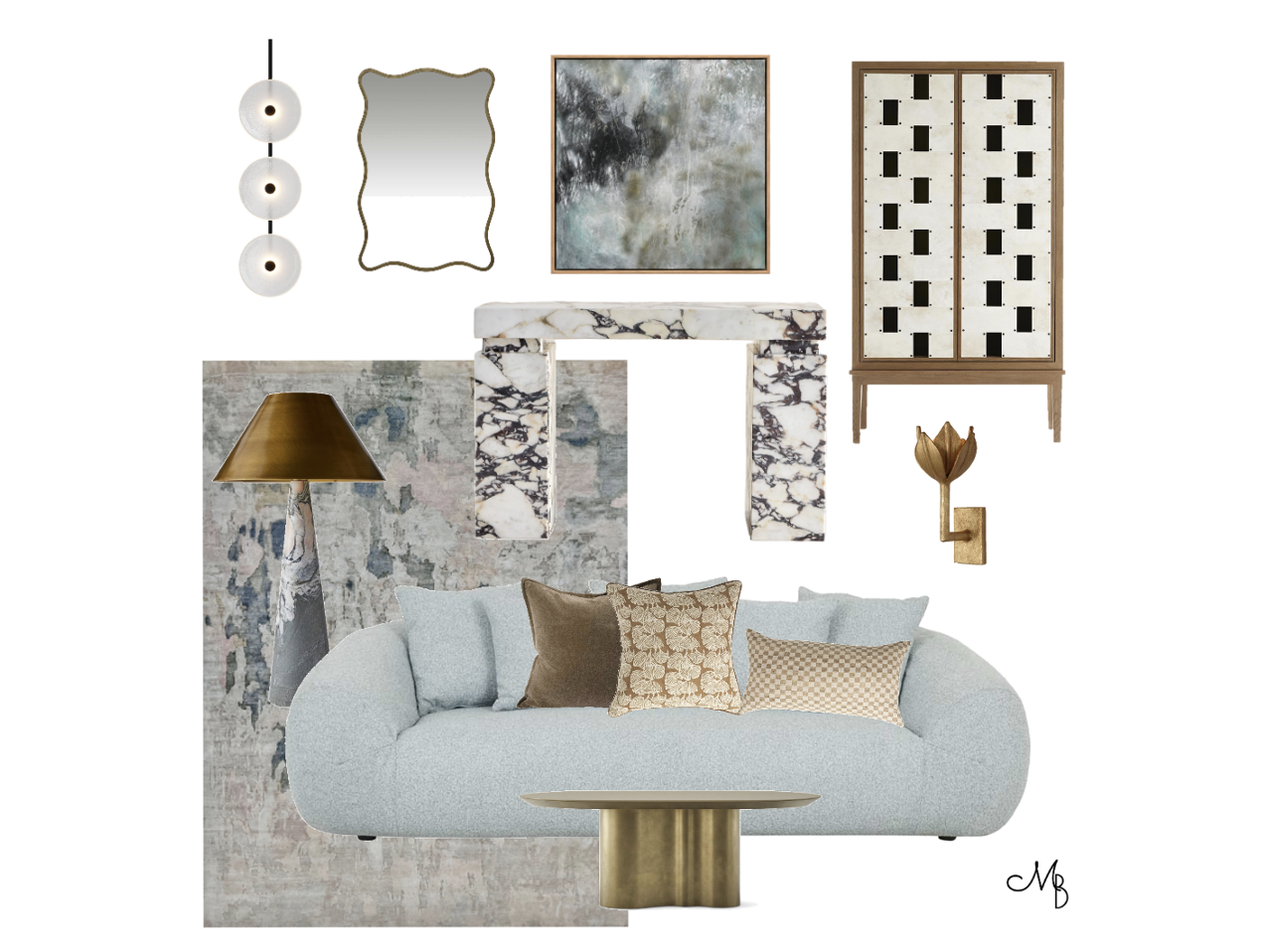
If your shared style leans more modern, contemporary, or minimalist, a combination of marble and matte black steel strikes a good balance.
Before choosing colours, finishes or decorative pieces, identify what matters most to each of you and establish the following four simple design priorities:
1. Choose colour palettes or patterns you both agree on
2. Mix furniture and decorative styles that reflect both of your tastes (organic curves and geometric work well)
3. Create small moments throughout the room where both of your individual styles can come through, while keeping the overall interior feminine and cohesive with the rest of the home. For example, select one favourite material each and incorporate both into the design (example brass, marble, steel or wood). Marble, for example, can carry either a masculine or feminine character depending on its colour, veining and how it is used.
Use Artwork to Balance Feminine Style
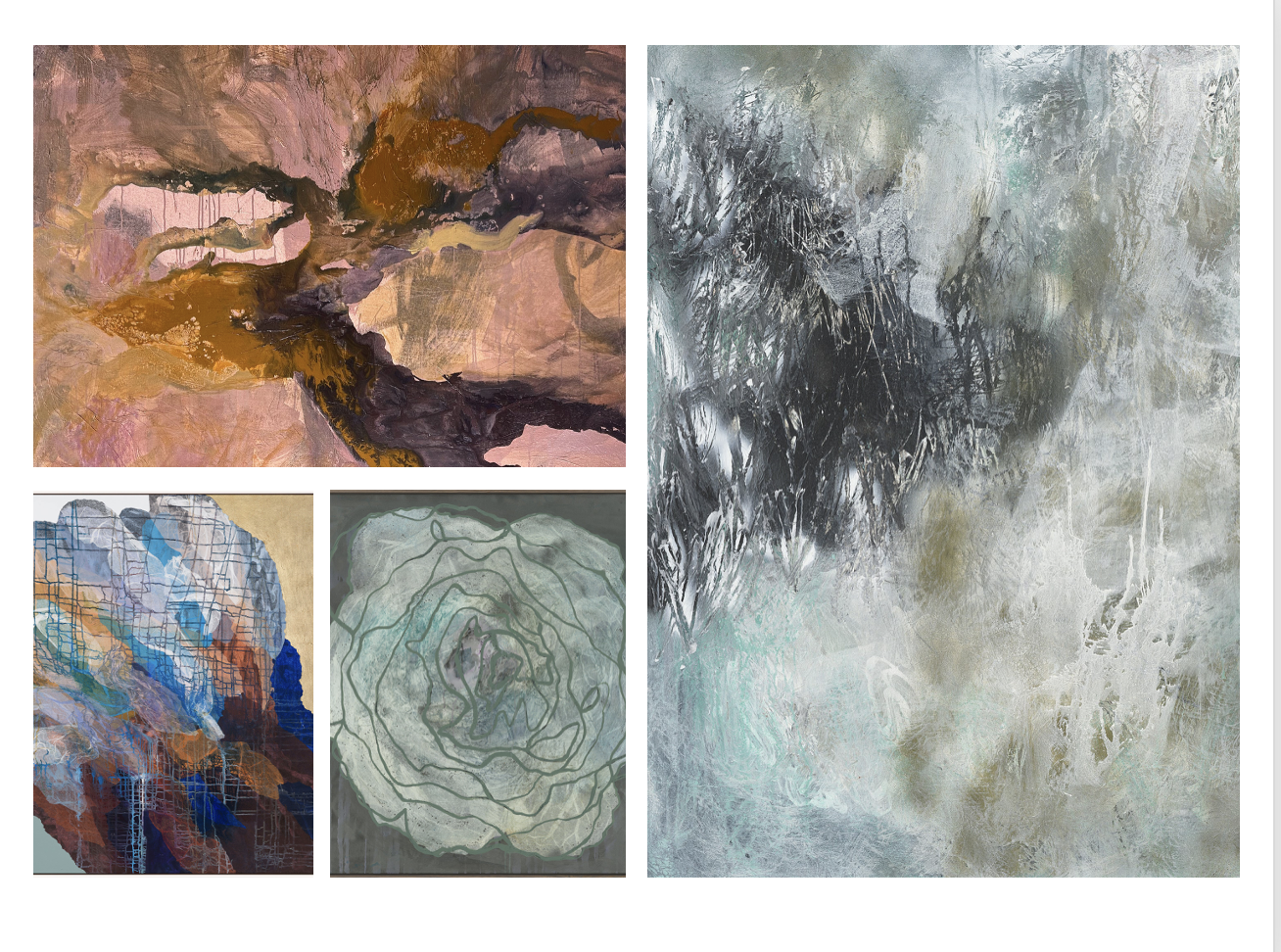
Artwork is one of the simplest ways to find common ground in an interior. Although a few smaller floral pieces would emphasise the room’s feminine character, the aim is to create a space that feels fair to both of you. One large-scale canvas creates a focal point and brings balance to the softer elements.
A black and white portrait of a woman introduces a feminine presence, while a slim frame gives it a sharper, more tailored edge, allowing it to sit comfortably within a shared interior. Alternatively, textural, atmospheric or botanical abstracts work particularly well, especially in shades such as charcoal with a touch of blush, navy or sage green.
Use Wood to Find Common Ground
Wood is always my first choice for side tables, storage units and buffets, particularly when balancing feminine and masculine elements within a room, although much depends on the tone and finish.
A white-painted timber dresser can feel softer and more feminine, while darker woods introduce depth and a stronger presence without making the room feel heavy. You could mix the two finishes or choose a two-tone piece, although dark timber tends to work across different decorating preferences.
I enjoyed seeing wood’s versatility being reinforced at Milan Design Week 2026, where it emerged as one of the most prominent materials. Tactile finishes, visible grain and pared-back forms allowed its natural character to take the lead.
The Beauty of Glass and Brass: The Perfect Pairing
Two effective materials for bringing a softer quality to an interior are glass and brass.
Glass is a brilliant way to introduce reflection and quiet elegance into an interior. It can also create the illusion of more space while allowing your theme to remain the main feature.
Consider introducing glass in the following ways:
1. Statement pendant lights
2. Fluid vases and sculptural decorative objects
3. Glass coffee or side tables: An oval shape offers an ideal middle ground, combining softer curves with a more streamlined form that feels neither distinctly feminine nor masculine
4. Table or floor lamps with glass or ceramic bases
Brass develops with age, particularly when used as a living finish. In my opinion it has a quality that appeals across a range of tastes. Un lacquered brass is even better, gradually developing a natural feel that gives the interior character.
A few brass pieces you might consider incorporating into your interior include:
1. Wall sconces
2. Cabinet handles or hardware
3. Mirrors
4. Side tables or furniture with brass detailing
5. Candlesticks, trays and decorative objects
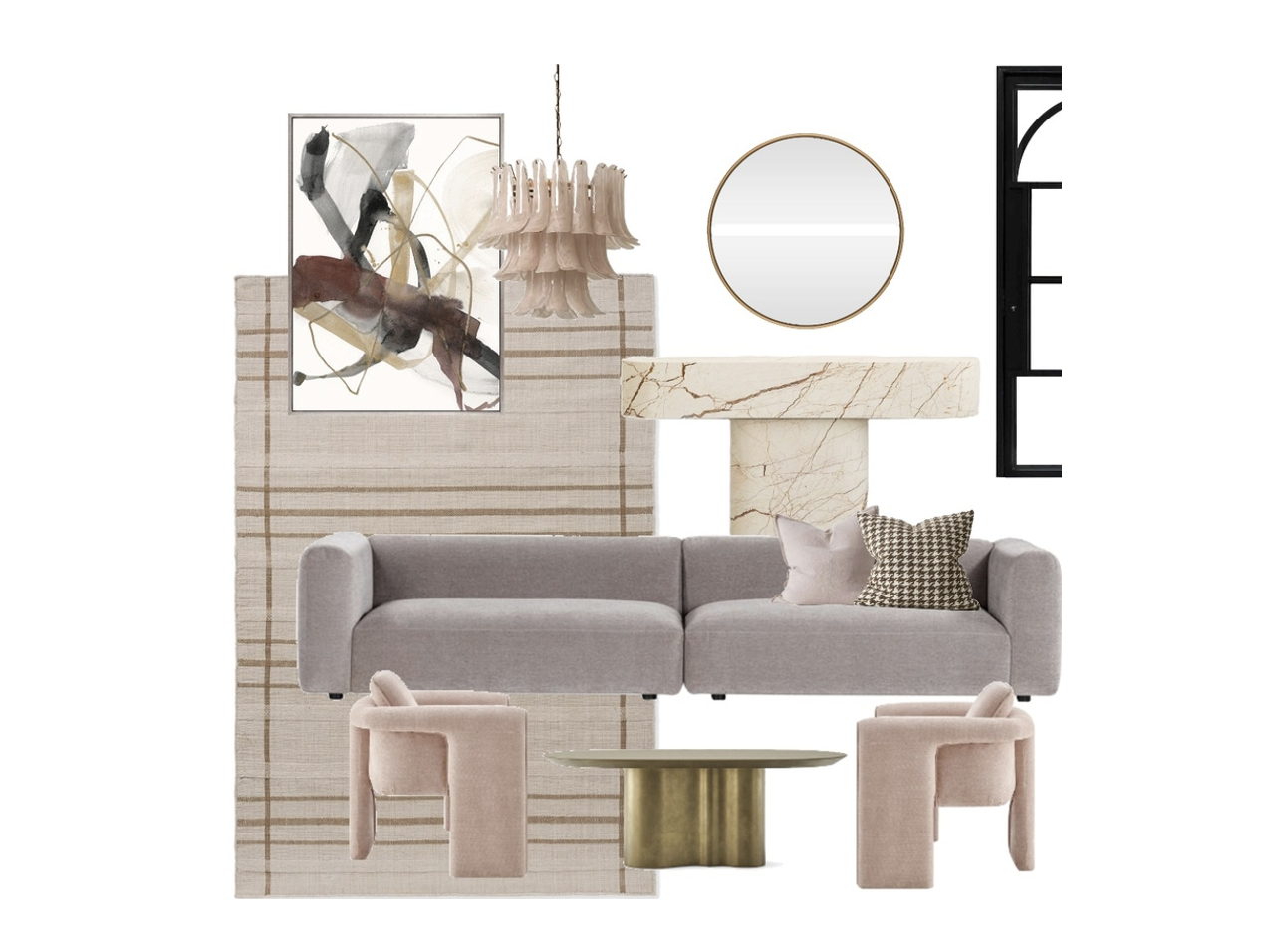
A feminine interior should feel gentle and uplifting rather than overcrowded. Leave room to breathe. Your space still needs to function, so not every wall, shelf or corner needs to be filled with pretty things. Empty space gives the eye somewhere to rest.
Following some of the suggestions above and taking your partner’s views on board will ultimately create a strong balance and leave you both tickled pink. Pun intended.
Article written by Marina Mura
Find your ideal style | E: marinamura@moodblogs.com or visit my inspiration page in the menu bar.
Moodboard image credit:
Antoinette Ferwerda; Globewest; Trit House; Unitex Rugs; Hali Rugs; The Foxes Den; Casa Blanco; Matt Blatt; Cafe Lighting; Boyd Blue; Montauk Lighting; Designer Boys; Coco Republic; Oz Designs; Hardwood Concepts; Nook Lighting; Fleur Studios.
If you have any questions about the products featured in this article, please feel free to email me. I would be happy to assist with any general enquiries.
I provide in-home interior decorating consultations and write original interior-led articles for business websites. Curated moodboards support both areas of my work, while each article is developed to suit the business, its audience and the products or services being featured.

READ MORE
How to Decorate Your Home When You Like More than One Interior Style
How to Decorate Your Home When You Like More than One Interior Style
Before You Commit: Why Moodboards Matter in Interior Decorating
Before You Commit: Why Moodboards Matter in Interior Decorating

How to Add Warmth and Depth to a Winter Interior
How to Add Warmth and Depth to a Winter Interior

MoodBlogs | More Than the Name Suggests
MoodBlogs | More Than the Name Suggests

Modular Sofas in 2026: Comfort, Layout and Fabric That Actually Work
Modular Sofas in 2026: Comfort, Layout and Fabric That Actually Work

How to Master High-Low Interior Decorating Without Sacrificing Style
How to Master High-Low Interior Decorating Without Sacrificing Style
How To Create A Cohesive Interior Style Across Your Whole Home
How To Create A Cohesive Interior Style Across Your Whole Home

Why the 60-30-10 Rule Is Key to My Interior Decorating Philosophy
Why the 60-30-10 Rule Is Key to My Interior Decorating Philosophy

In Conversation With Shelley Boyd, the Founder of Boyd Blue
In Conversation With Shelley Boyd, the Founder of Boyd Blue

Should You Hire a Colour Consultant Alongside an Interior Decorator?
Should You Hire a Colour Consultant Alongside an Interior Decorator?

Design Spotlight: The Unforgettable Hotel Interiors of The White Lotus
Design Spotlight: The Unforgettable Hotel Interiors of The White Lotus

What Urban Styling Offers Men
What Urban Styling Offers Men

Small Apartment Interior Tips for Men: Smart Styling for a Better Space
Small Apartment Interior Tips for Men: Smart Styling for a Better Space

How to Create a Masculine, Stylish Apartment With Ease
How to Create a Masculine, Stylish Apartment With Ease

Masculine Christmas Table Inspiration - Ultimate Shopping List
Masculine Christmas Table Inspiration - Ultimate Shopping List

Styling Your Home for Christmas
Styling Your Home for Christmas

Men’s Interior Styling - Transform Your Bedroom Space
Men’s Interior Styling - Transform Your Bedroom Space

How to Create an Imposing Art Wall
How to Create an Imposing Art Wall

How To Select Light Fixtures for Your Interior Design
How To Select Light Fixtures for Your Interior Design

Styling Modern Victorian
Styling Modern Victorian

How to Style an Australian Bush Home Inside and Out
How to Style an Australian Bush Home Inside and Out

Japandi - A Life Time of Style
Japandi - A Life Time of Style

How To Style A Young Girls Bedroom
How To Style A Young Girls Bedroom

Pantone Colour Of The Year 2024 - Peach Fuzz
Pantone Colour Of The Year 2024 - Peach Fuzz

How To Elevate a New Bathroom Using Marble
How To Elevate a New Bathroom Using Marble

Christmas Table Styling
Christmas Table Styling

Using Colour And Natural Light To Make Your Space Pop
Using Colour And Natural Light To Make Your Space Pop

Art For A Spring Inspired Living Room
Art For A Spring Inspired Living Room

5 Ways To Bring Luxury Milanese Styling To Your Hospitality Space
5 Ways To Bring Luxury Milanese Styling To Your Hospitality Space

How To Decorate a Hamptons-Style Bedroom With a Difference
How To Decorate a Hamptons-Style Bedroom With a Difference

How to Select A Customisable Sofa
How to Select A Customisable Sofa

In Conversation With Tashi Tsering, Creative Head And Founder Of Tashi Design Studio
In Conversation With Tashi Tsering, Creative Head And Founder Of Tashi Design Studio

What is Chintz – The Resurgence Of A Historic Textile With a Modernistic Twist
What is Chintz – The Resurgence Of A Historic Textile With a Modernistic Twist

How To Create an Easter Table Scape
How To Create an Easter Table Scape

Bathroom Renovation Planning: Layout, Storage, Ventilation and Lighting
Bathroom Renovation Planning: Layout, Storage, Ventilation and Lighting

My Holistic View on ChatGPT
My Holistic View on ChatGPT

Easy Table Setting Styling
Easy Table Setting Styling

How To Style A Summer Outdoor Setting
How To Style A Summer Outdoor Setting

Staying Home In January
Staying Home In January
Styling Your Home for Christmas
Styling Your Home for Christmas

In Conversation With Jacinta Bishop, Founder And Designer Of Salt Living
In Conversation With Jacinta Bishop, Founder And Designer Of Salt Living

Paying Homage To Sardinian Textiles
Paying Homage To Sardinian Textiles

What Is The Difference Between A Duvet, Doona & Quilt?
What Is The Difference Between A Duvet, Doona & Quilt?

How to Style A White on White Interior
How to Style A White on White Interior

How to Style Art Deco With A Modern Vibe
How to Style Art Deco With A Modern Vibe
Small Apartment Interior Tips for Men: Smart Styling for a Better Space
Small Apartment Interior Tips for Men: Smart Styling for a Better Space
.jpeg)
How to Create A Modern Farmhouse Style
How to Create A Modern Farmhouse Style

Selecting Art For Your Interior Space
Selecting Art For Your Interior Space

Creating the Perfect Hamptons Coastal Bedroom
Creating the Perfect Hamptons Coastal Bedroom

Outdoor Alfresco Styling - How To Create The Perfect Outdoor Space You Will Love