
How to Decorate Your Home When You Like More than One Interior Style
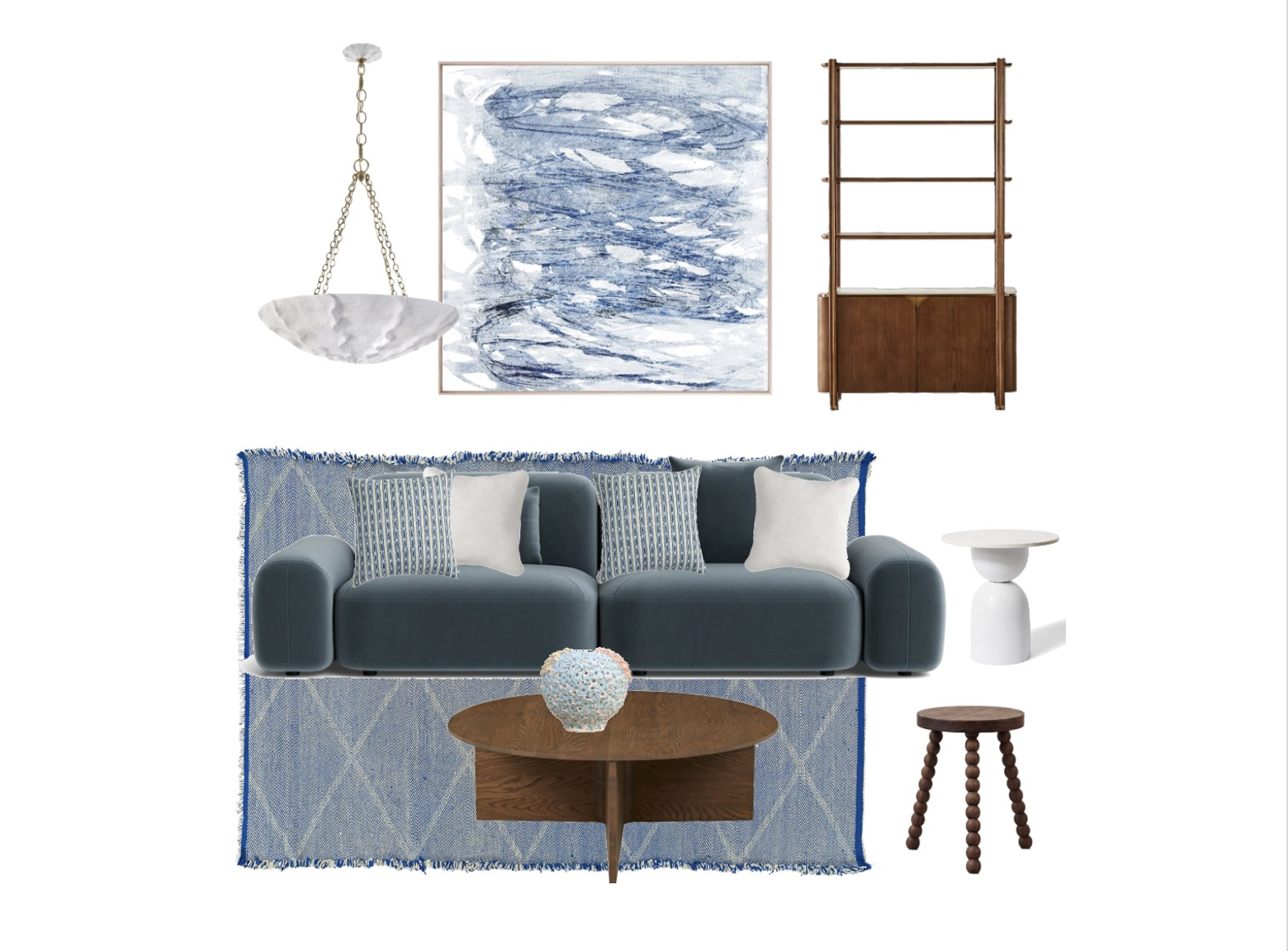
Like more than one interior style? It may surprise you that, as an interior decorator, I would not describe my own preferences as one particular aesthetic. I am drawn to a few different styles, and I will explain what connects them and how that helps me make choices for my own home.
In my experience, you do not need to settle on one to feel sure about your furniture choices. Understanding what draws you to different looks can help you bring them together. And if it makes you feel better, being drawn to several is not a sign that you lack direction, or that you are indecisive. In actual fact it can reflect a creative mind, an appreciation for interiors from different eras and an ability to see possibilities in more than one space. And yes, it is great and useful for an interior decorator, but it can feel confusing for the everyday person trying to decide. One day you are considering a curved blue velvet sofa; the next, a low-profile clean-lined creamy bouclé sofa. The aim is to work out what connects the styles and colours you like, while allowing your lifestyle and budget to shape your choices.
When You Cannot Decide, Sometimes No Is the Best Place to Start
Interior decorating can be surprisingly revealing. Ask someone what they like and more often than not, nothing will come right off the bat. Ask that same person what they cannot stand and the answer usually arrives without hesitation. This is a great place to start. A hard no gives you more insight than you realise! This matters because when you are drawn to several different styles, you should begin by identifying dislikes to narrow the options. As an example, which colours can you never live with? Are there patterns, textures, furniture shapes or design periods that feel wrong for you?
Before buying, ask yourself whether you really love the piece or is it because it has simply become familiar through repeated exposure. If it disappeared from Pinterest tomorrow, would you still want it in your home? This is particularly important with larger pieces that are expensive to replace. A sofa or rug should reflect preferences you have returned to over time, not an interior trend.
It is also possible to appreciate an interior style without liking everything about it. You may appreciate Art Deco but dislike high-gloss finishes and sharp angles. You might love the ease of a coastal design, but have no desire for beached-themed décor.
Eliminating first what you do not like makes the remaining choices easier to recognise. Once those elements are removed you may notice which colours and shapes continue to show up across the different styles that you do like.
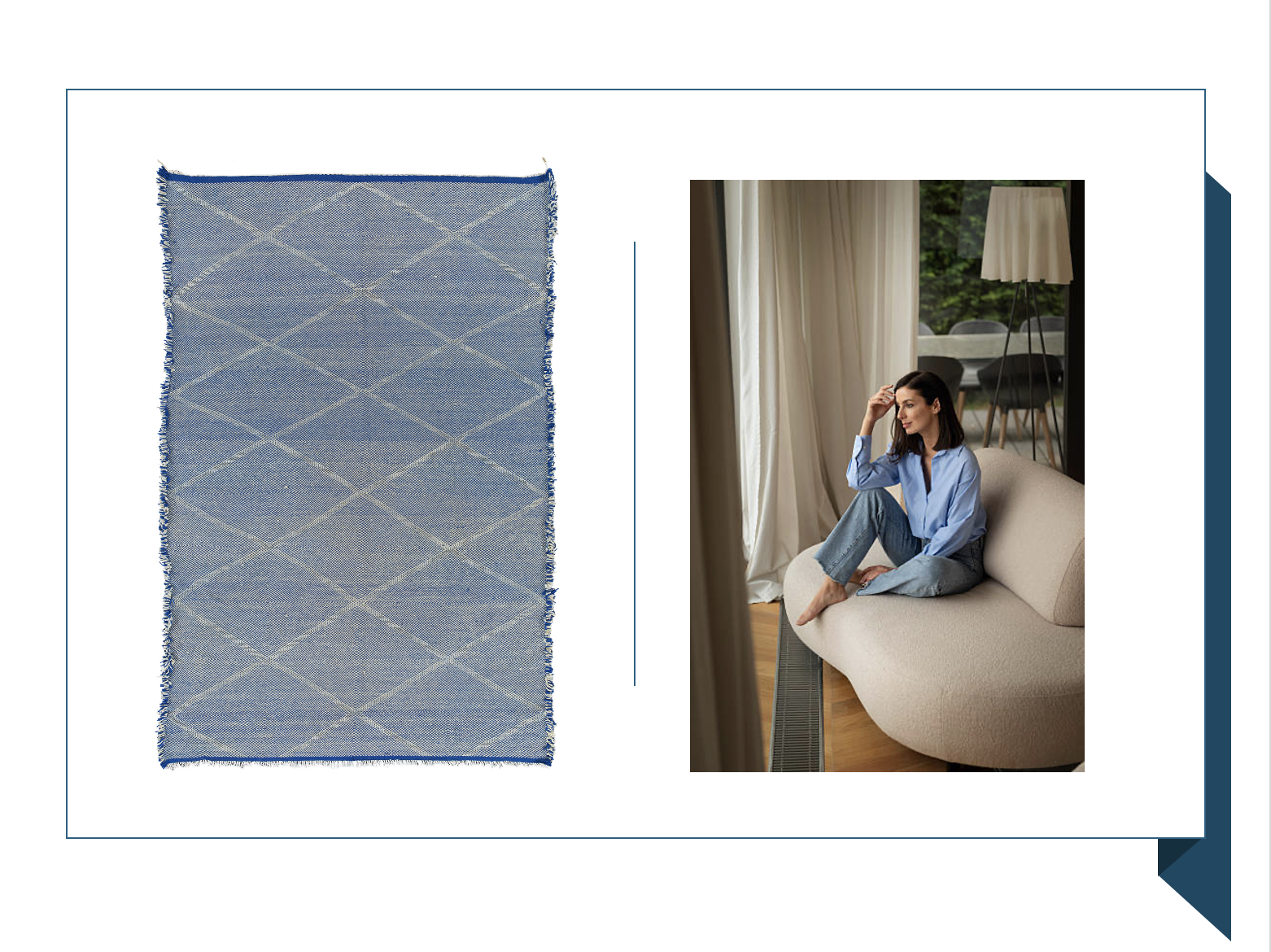
To start narrowing things down, ask yourself these three questions.
Which elements would I not want to live with?
You can appreciate a style without wanting every part of it in your home. Eliminate what would not feel right in your everyday surroundings.
What keeps appearing across the interiors I like?
Look beyond labels. Do you often save rooms with curved furniture, dark timber, traditional rugs, sculptural lighting, organic shaped ceramics, or natural fabrics? The rooms may be different styles but still share the same warmth or character. Trust what catches your eye. If you keep choosing dark rich timber, for example, it is probably part of your personal style.
Which of these influences suit the way I live now?
A room can be appealing to look at and still make very little sense for your household. Consider your lifestyle, family, pets and, more importantly, your available space and budget.
Our tastes can naturally change over time. The aim is not to choose a direction that must remain fixed forever, but one that suits your life now and that you can still see yourself enjoying in five years’ time.
Look for What Connects
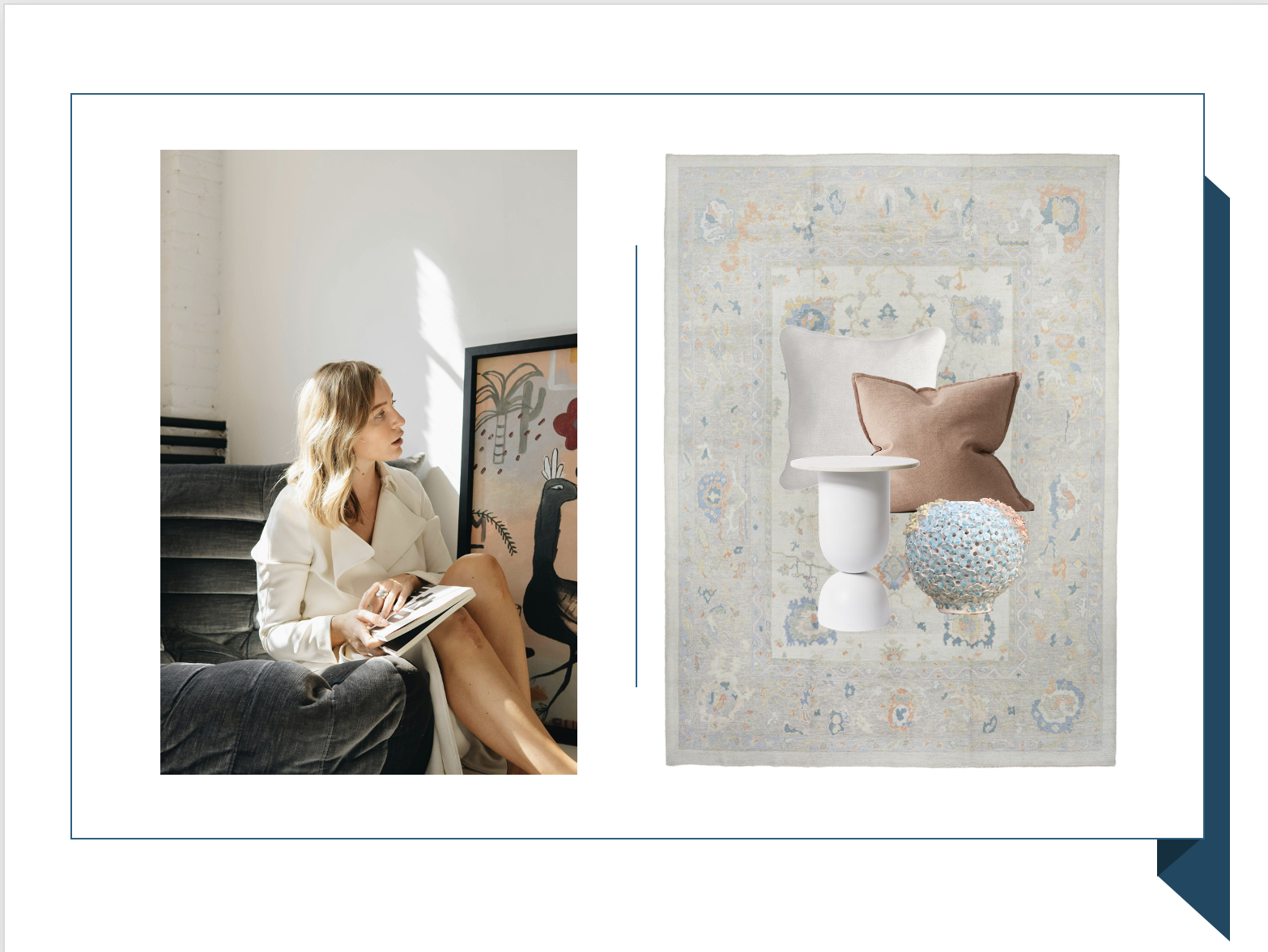
If I had to describe my own decorating direction, it would sit somewhere between Mid-Century Modern, Australian Coastal and a small dose of Modern Art Deco. It may sound like an unlikely combination, but what connects these influences for me matters more than their individual labels. I will use my own preferences to show how this works, so you can apply the same approach to the styles you are drawn to and recognise the qualities they share.
Mid-Century Modern
I like the clean lines, organic shapes, rich timber tones and understated, functional forms.
Australian Coastal
I like natural textures, crisp whites and sandy beiges, relaxed soft furnishings and connections to nature.
Modern Art Deco
I like deep colours, structured curves, sculptural lighting and refined decorative detailing.
A curved form does not belong exclusively to modern mid-century. It might appear in an organic contemporary sofa or a relaxed coastal armchair. Natural texture can soften this style of furniture, while an understated colour palette can prevent a geometric pattern from becoming too dominant. This is where apparently different styles begin to find some common ground.
Select the qualities that keep drawing you back. If you appreciate Art Deco curves but not its glamour, leave out the high gloss. If you enjoy coastal lightness but not an obvious beach theme, keep the linen and crisp white elements.
Finding a clear direction is not the same as naming your style. The label matters far less than understanding why particular shapes and materials continue to appeal to you.
Break each style down into the individual elements you would choose and those you would leave behind. You might retain the curves and refined details of Art Deco, combine them with the natural and relaxed fabrics of coastal design, then use the clean lines of contemporary furniture to provide some restraint. This gives you a practical starting point for selecting furniture and furnishings without having to reproduce any one style in its entirety.
Recognising Your Preferences When You Shop
This becomes useful when you are sitting on an actual sofa.
Before shopping for a sofa, side board or armchair, return to what you have already identified. Are you repeatedly drawn to curved or structured forms? Do you prefer light or dark timber? Does furniture with legs appeal to you, or do you gravitate towards pieces that are low profile? Are you attracted to plain finishes or subtle decorative detail?
A sofa can reveal far more about your preferences than its colour. Clean lines, slim arms and raised legs may point towards a lighter contemporary direction. Deep seating, loose covers and natural fabrics can introduce a more relaxed coastal feel. Curved arms, rich upholstery may bring in the Art Deco influence you keep noticing.
You might prefer the relaxed fabric associated with coastal interiors but be drawn to the clean lines, low profile and tapered legs of mid-century modern furniture. There is almost always a sofa that combines these qualities; you simply need to research the options.
Before deciding, ask whether the piece includes at least one quality you repeatedly choose, whether it will sit comfortably with what you already own and whether it suits your everyday life. If it only appeals because it looks impressive in the showroom but you cannot see it working in your actual home, pause and rethink.
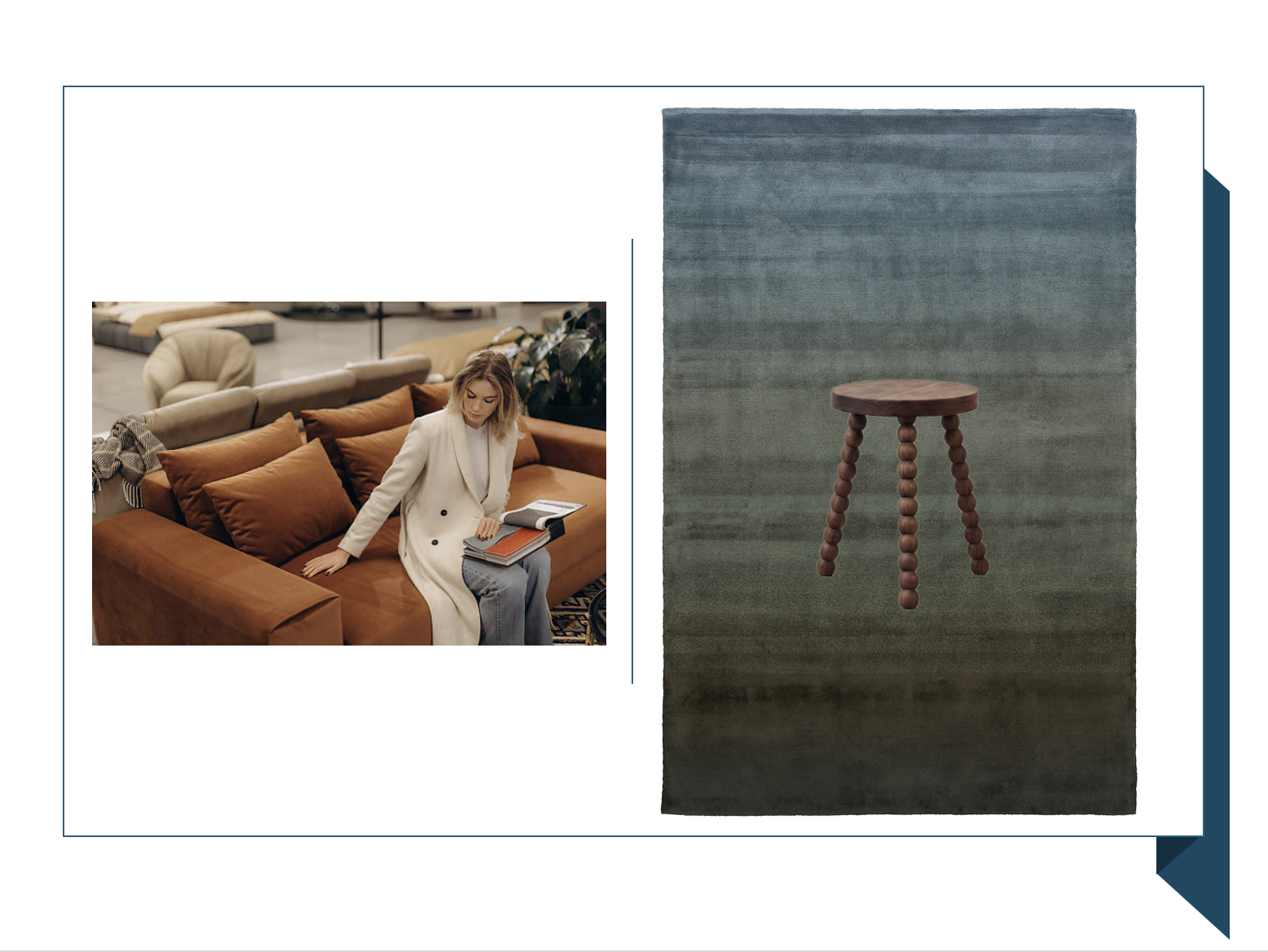
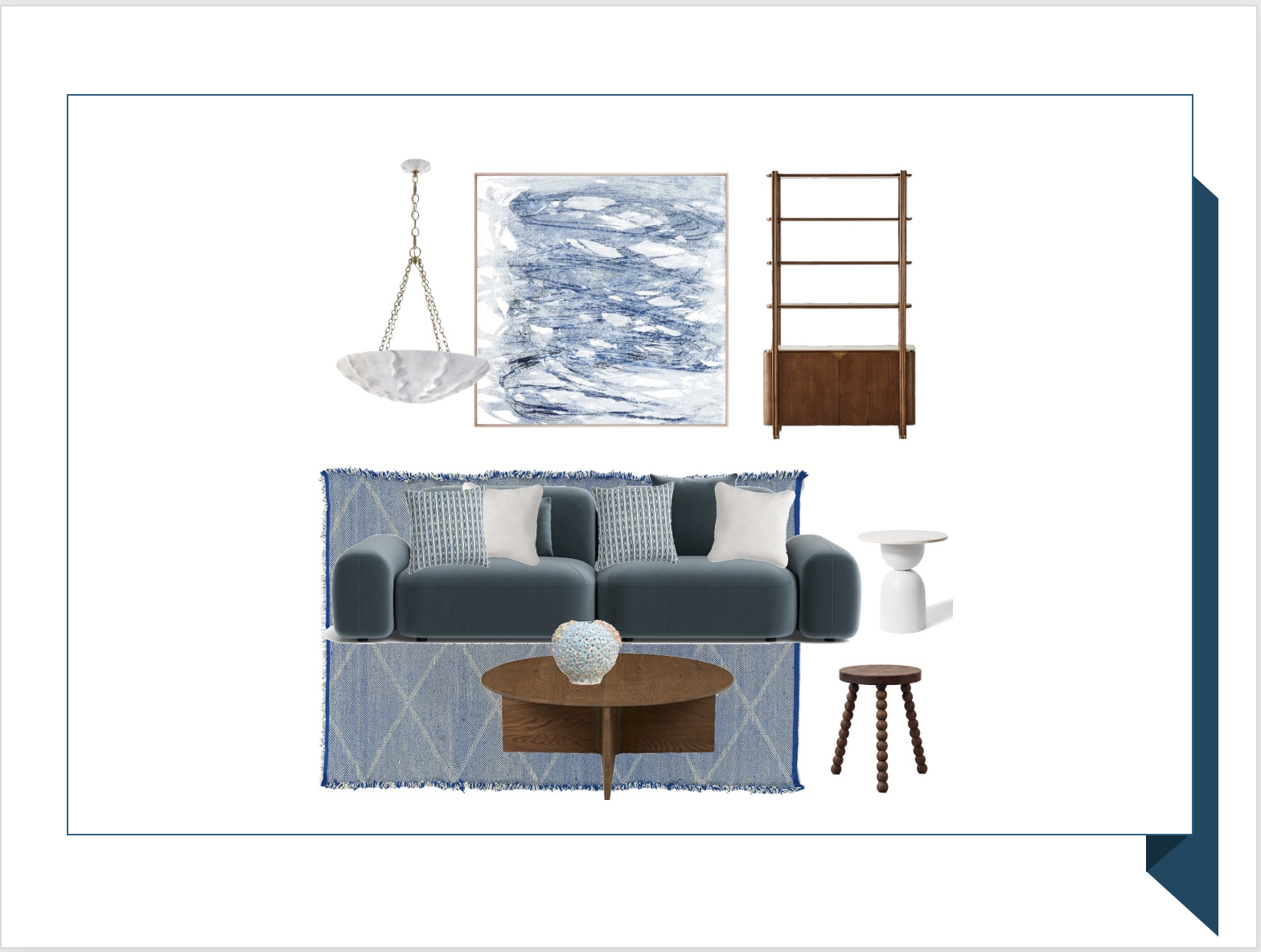
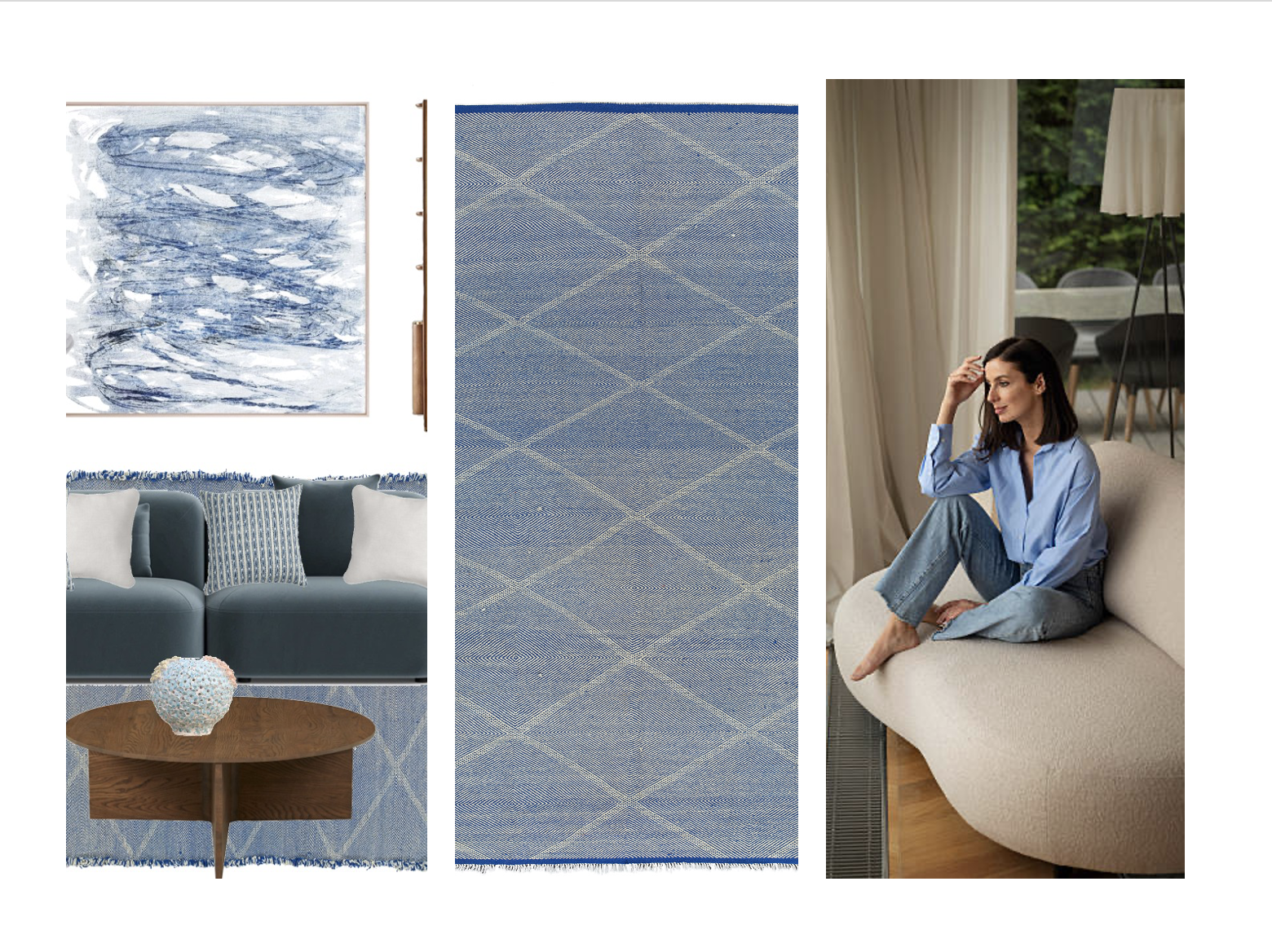
A moodboard can also help you test the piece alongside furniture and furnishings from the other styles you like. Seeing everything together will make it easier to decide whether the combination feels connected or whether one item is pulling the room in a unrelated direction.
Avoid Letting Your Budget Choose Your Style
I tend to steer away from cookie-cutter interiors, although I understand how easily they can happen when the budget is limited. Buying several coordinated pieces from the same affordable range may feel efficient. Sometimes it is. But choosing a few pieces from that range and mixing them with furniture you already own, or something more individual can make the room feel much more personal without going over budget.
The problem is not affordable furniture or shopping from one retailer. The problem is allowing convenience to make every decorating decision for you. Individuality does not require an unlimited budget, but it does require a few personal choices.
Avoid Buying Every Major Piece at Once
Start slow. Begin with what you need the most now and allow the room to develop gradually. A complete matching suite may solve an immediate problem, but it removes the opportunity to discover which shapes, materials and details you genuinely prefer.
Choose One Distinctive Piece to Establish Direction
This could be an armchair with an interesting shape, a vintage buffet, artwork with personal meaning or a rug featuring a pattern you continue to be drawn to. It does not need to be the most expensive item in the room. It simply needs enough character to provide a reference point for what comes next.
A Clear Direction Does Not Mean Every Room Must Match
One room might carry a bolder contemporary direction through colour and statement artwork. Another might draw on the more mysterious side of Art Deco through deeper tones and subtle metallic details. They do not need to match; they simply need something connecting them.
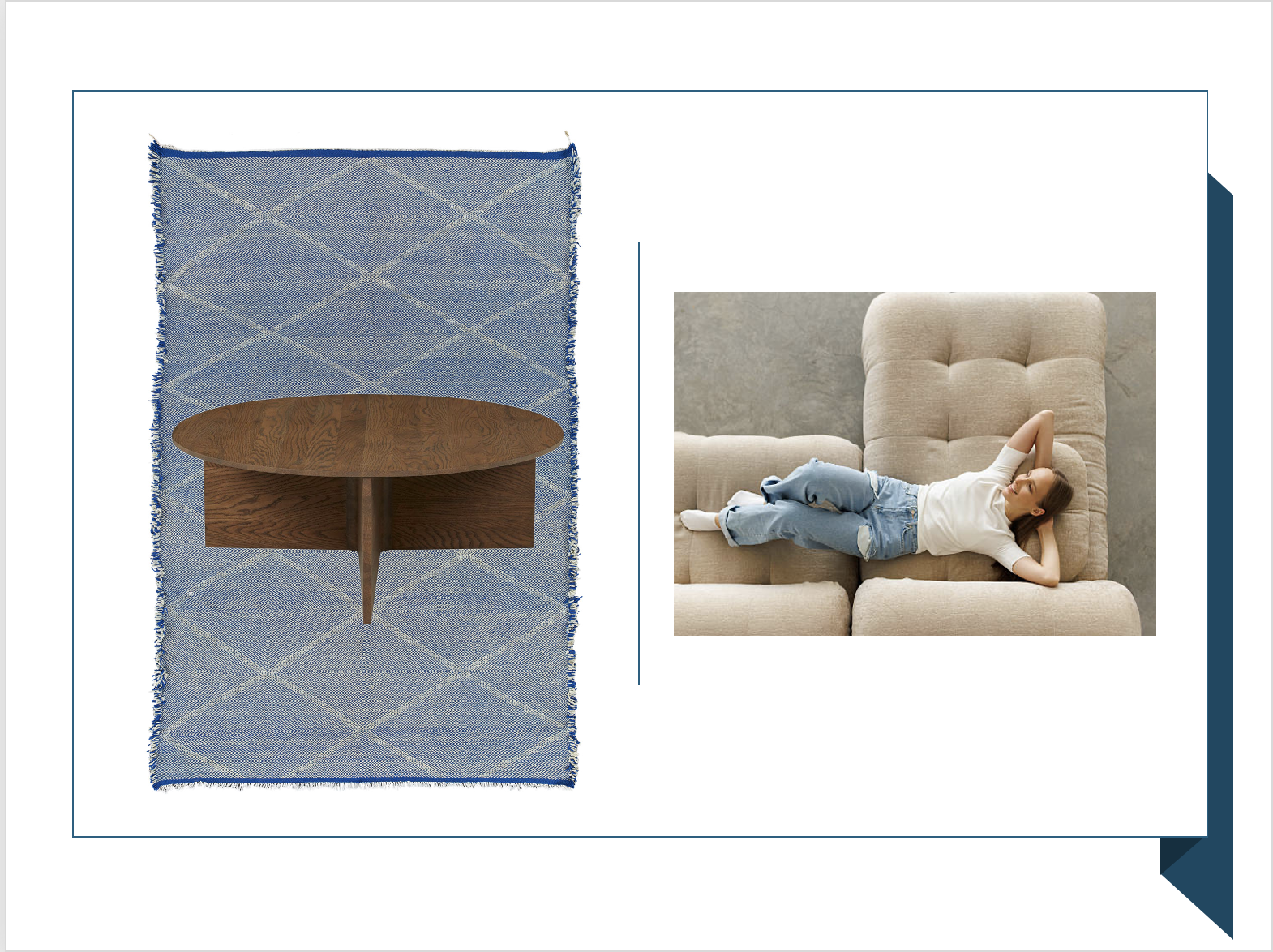
Warm metal, deep blue accent or repeated timber might appear differently in each room while creating a sense of continuity across the home. The connection can be noticeable without being obvious. Look at it like this: you move through your home as you move through life; sometimes it is busy, sometimes it is quiet. A clear direction allows those different moods to belong together without requiring every room to have the same personality.
A Clearer Direction
By now, you may feel more confident about your decorating direction and recognise that liking several interior styles does not mean your taste is confused.
Start with what you do not like, then look for the colours, materials and shapes that connect the styles you are drawn to. Consider your space, how you live and what you can comfortably spend, and use those answers when choosing furniture and finishing details. The more consistently you make decisions with these preferences in mind, the clearer your direction will become.
You may never find one precise name for your interior style. That is perfectly fine. The goal is not to name it. The goal is to recognise it when you see it.
Article written by Marina Mura
Find your ideal style | E: marinamura@moodblogs.com or visit my inspiration page in the menu bar.
Moodboard image credit:
Globewest; Trit House; Willow Home Living; Walter G; Halcyon Lake; The Montauk Lighting Co; Coco Republic; Fleur Studios; Eleme Living; Koala Living; The Palms Sydney; Unsplash.
If you have any questions about the products featured in this article, please feel free to email me. I would be very happy to assist with any general enquiries.
I provide in-home interior decorating consultations and write original interior-led articles for business websites. Curated moodboards support both areas of my work, while each article is developed to suit the business, its audience and the products or services being featured.
READ MORE
How to Create a Shared Home Without Losing the Feminine Style You Love
How to Create a Shared Home Without Losing the Feminine Style You Love
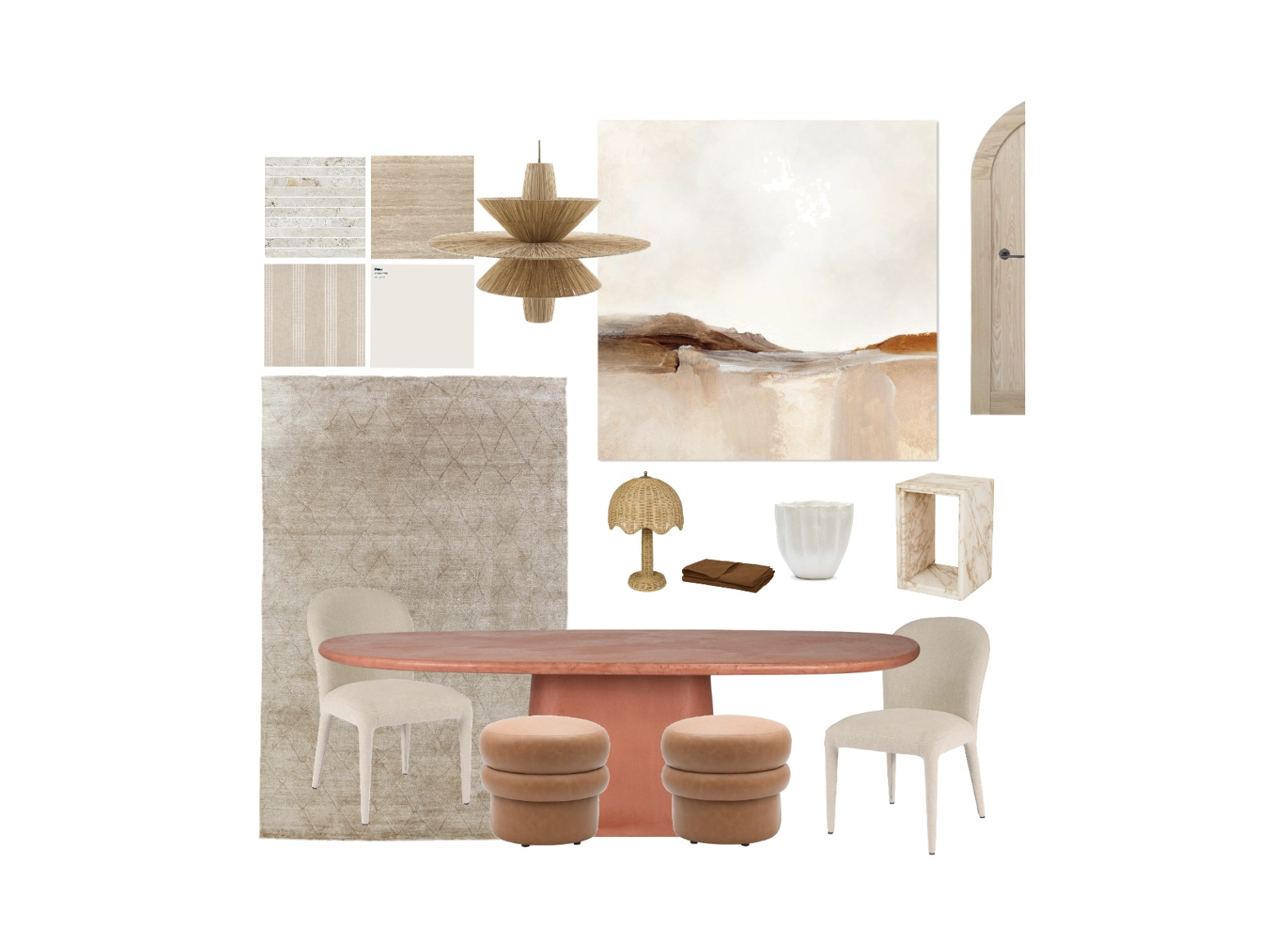
Before You Commit: Why Moodboards Matter in Interior Decorating
Before You Commit: Why Moodboards Matter in Interior Decorating

How to Add Warmth and Depth to a Winter Interior
How to Add Warmth and Depth to a Winter Interior

MoodBlogs | More Than the Name Suggests
MoodBlogs | More Than the Name Suggests

Modular Sofas in 2026: Comfort, Layout and Fabric That Actually Work
Modular Sofas in 2026: Comfort, Layout and Fabric That Actually Work

How to Master High-Low Interior Decorating Without Sacrificing Style
How to Master High-Low Interior Decorating Without Sacrificing Style
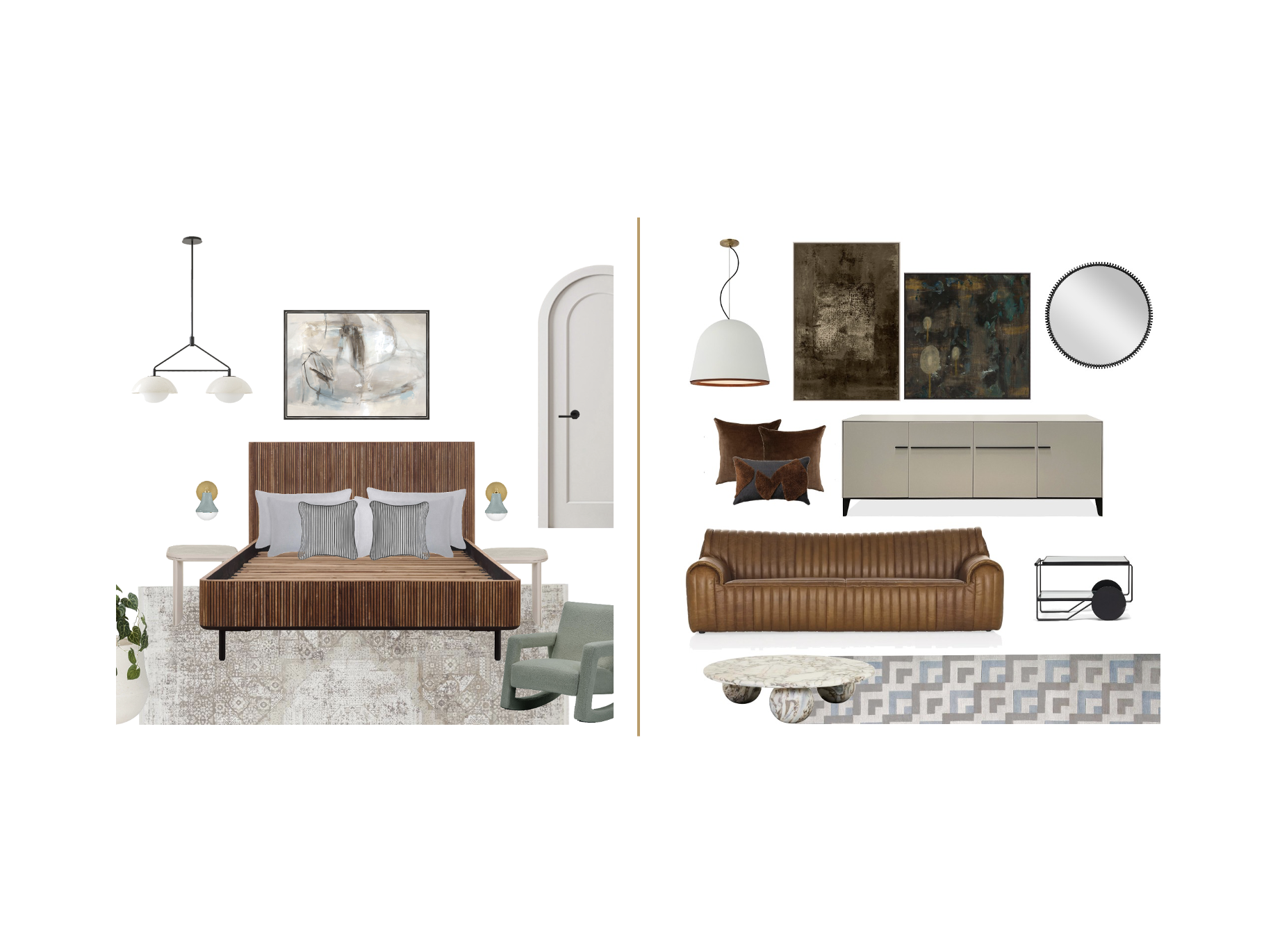
How To Create A Cohesive Interior Style Across Your Whole Home
How To Create A Cohesive Interior Style Across Your Whole Home

Why the 60-30-10 Rule Is Key to My Interior Decorating Philosophy
Why the 60-30-10 Rule Is Key to My Interior Decorating Philosophy

In Conversation With Shelley Boyd, the Founder of Boyd Blue
In Conversation With Shelley Boyd, the Founder of Boyd Blue

Should You Hire a Colour Consultant Alongside an Interior Decorator?
Should You Hire a Colour Consultant Alongside an Interior Decorator?

Design Spotlight: The Unforgettable Hotel Interiors of The White Lotus
Design Spotlight: The Unforgettable Hotel Interiors of The White Lotus

What Urban Styling Offers Men
What Urban Styling Offers Men

Small Apartment Interior Tips for Men: Smart Styling for a Better Space
Small Apartment Interior Tips for Men: Smart Styling for a Better Space

How to Create a Masculine, Stylish Apartment With Ease
How to Create a Masculine, Stylish Apartment With Ease

Masculine Christmas Table Inspiration - Ultimate Shopping List
Masculine Christmas Table Inspiration - Ultimate Shopping List

Styling Your Home for Christmas
Styling Your Home for Christmas

Men’s Interior Styling - Transform Your Bedroom Space
Men’s Interior Styling - Transform Your Bedroom Space

How to Create an Imposing Art Wall
How to Create an Imposing Art Wall

How To Select Light Fixtures for Your Interior Design
How To Select Light Fixtures for Your Interior Design

Styling Modern Victorian
Styling Modern Victorian

How to Style an Australian Bush Home Inside and Out
How to Style an Australian Bush Home Inside and Out

Japandi - A Life Time of Style
Japandi - A Life Time of Style

How To Style A Young Girls Bedroom
How To Style A Young Girls Bedroom

Pantone Colour Of The Year 2024 - Peach Fuzz
Pantone Colour Of The Year 2024 - Peach Fuzz

How To Elevate a New Bathroom Using Marble
How To Elevate a New Bathroom Using Marble

Christmas Table Styling
Christmas Table Styling

Using Colour And Natural Light To Make Your Space Pop
Using Colour And Natural Light To Make Your Space Pop

Art For A Spring Inspired Living Room
Art For A Spring Inspired Living Room

5 Ways To Bring Luxury Milanese Styling To Your Hospitality Space
5 Ways To Bring Luxury Milanese Styling To Your Hospitality Space

How To Decorate a Hamptons-Style Bedroom With a Difference
How To Decorate a Hamptons-Style Bedroom With a Difference

How to Select A Customisable Sofa
How to Select A Customisable Sofa

In Conversation With Tashi Tsering, Creative Head And Founder Of Tashi Design Studio
In Conversation With Tashi Tsering, Creative Head And Founder Of Tashi Design Studio

What is Chintz – The Resurgence Of A Historic Textile With a Modernistic Twist
What is Chintz – The Resurgence Of A Historic Textile With a Modernistic Twist

How To Create an Easter Table Scape
How To Create an Easter Table Scape

Bathroom Renovation Planning: Layout, Storage, Ventilation and Lighting
Bathroom Renovation Planning: Layout, Storage, Ventilation and Lighting

My Holistic View on ChatGPT
My Holistic View on ChatGPT

Easy Table Setting Styling
Easy Table Setting Styling

How To Style A Summer Outdoor Setting
How To Style A Summer Outdoor Setting

Staying Home In January
Staying Home In January
Styling Your Home for Christmas
Styling Your Home for Christmas

In Conversation With Jacinta Bishop, Founder And Designer Of Salt Living
In Conversation With Jacinta Bishop, Founder And Designer Of Salt Living

Paying Homage To Sardinian Textiles
Paying Homage To Sardinian Textiles

What Is The Difference Between A Duvet, Doona & Quilt?
What Is The Difference Between A Duvet, Doona & Quilt?

How to Style A White on White Interior
How to Style A White on White Interior

How to Style Art Deco With A Modern Vibe
How to Style Art Deco With A Modern Vibe
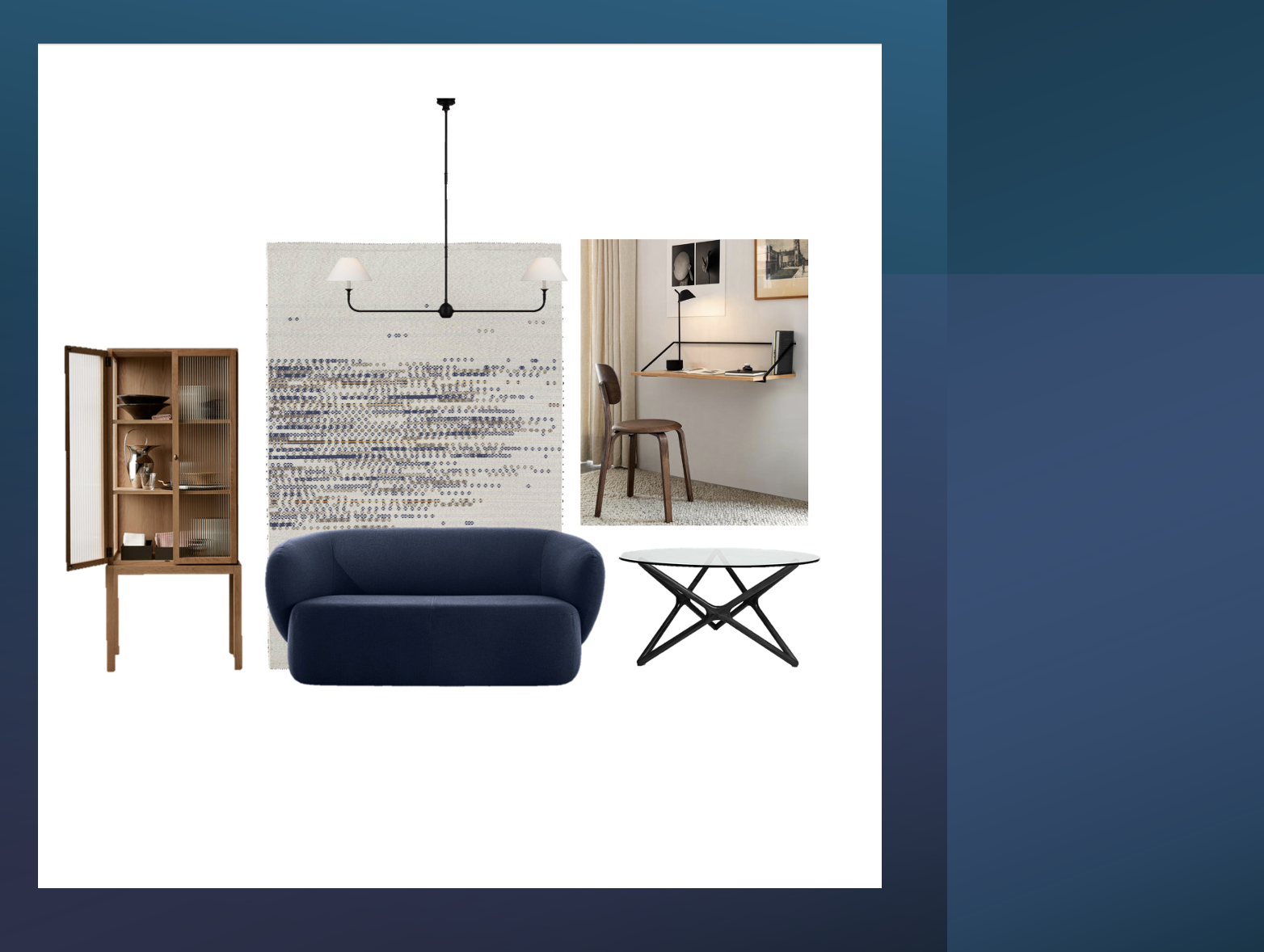
.jpeg)
How to Create A Modern Farmhouse Style
How to Create A Modern Farmhouse Style

Selecting Art For Your Interior Space
Selecting Art For Your Interior Space

Creating the Perfect Hamptons Coastal Bedroom
Creating the Perfect Hamptons Coastal Bedroom

Outdoor Alfresco Styling - How To Create The Perfect Outdoor Space You Will Love